
This is why "one size fits all" mixing doesn't work. Here's what actually changes between genres and why it matters.
Rock and Indie
Rock is about energy and impact. The mix needs to hit.
Drums get punchy. The kick has a pronounced click around 3-5 kHz and solid low-end weight around 60 Hz. The snare cracks with a boost around 2-4 kHz. Compression is tight: fast attack, fast release, fairly high ratio. You want the drums to feel aggressive and controlled.
Bass locks in with the kick. The low mids around 200-400 Hz often get cut slightly to reduce muddiness, while the fundamental below 100 Hz stays strong. Sidechain compression from the kick helps the bass duck slightly on each hit, keeping the low end clean.
Guitars own the midrange. Electric guitars get presence boosts around 2-5 kHz and are typically panned wide (rhythm guitars hard left and right). Compression is moderate. The goal is a wall of sound that fills the stereo field.
Vocals need to cut through dense instrumentation. More compression than other genres, plus a high-mid presence boost to sit on top of the guitars.
Jazz
Jazz is about dynamics, space, and feel. Over-processing kills it.
Drums are treated gently. Lighter compression (low ratio, slow attack) preserves the natural dynamics. The brushwork, the ghost notes, the room sound all matter. You want to hear the drummer breathing, not a machine.
Bass (usually upright) gets warmth in the low-mids and minimal compression. The natural unevenness of a plucked upright bass is part of the sound. Squashing it flat sounds wrong.
Piano and horns get wide dynamics and natural reverb. These instruments thrive in acoustic space. A plate reverb or room simulation that sounds like a real performance venue makes all the difference.
Vocals in jazz sit within the band rather than dominating it. Less compression, more natural tone. The vocalist is a member of the ensemble, not the star standing in front of it.
Panning is often naturalistic: instruments sit where they'd be on a small stage. The stereo image is intimate, not wide.
Electronic and EDM
Electronic music is about precision, impact, and low-end power.
Kick and bass are everything. The kick gets heavy sub-bass (30-60 Hz) and a sharp transient click. Sidechain compression between kick and bass is essential: every kick hit ducks the bass so they don't fight in the low end. This creates the characteristic "pumping" feel.
Synths are heavily processed. EQ curves are precise and surgical. Compression can be aggressive. Width is achieved through stereo effects, detuning, and hard panning of different synth layers.
Drums are tight and controlled. Quantized, compressed, and gated. Zero room sound. Every hit is deliberate and punchy.
Vocals (when present) are heavily treated. Auto-tune, heavy compression, creative effects. The voice becomes another instrument in the production rather than the storytelling focal point.
Mastering tends louder than other genres. EDM is designed for club systems and festivals where raw impact matters.
Acoustic and Folk
These genres need the least processing. The goal is transparency.
Acoustic guitar gets minimal EQ. Maybe a slight cut around 200 Hz to reduce boxiness and a gentle air boost above 10 kHz. Light compression. The pick attack and room resonance are features, not problems.
Vocals are upfront and dry-ish. A touch of reverb for depth, but much less than in rock. The intimacy of the voice is the point.
Dynamics stay wide. The difference between a quiet verse and a loud chorus is part of the emotional arc. Heavy compression flattens that.
Metal
The extreme end of the processing spectrum.
Guitars get scooped mids, heavy gain, and are panned hard left and right. Multiple guitar tracks layered for thickness. Tight low-end from palm mutes needs precise low-pass filtering to not mud up the mix.
Drums are triggered or heavily replaced to ensure consistent, powerful hits. Fast, tight compression. The kick drum is especially critical: it needs to cut through distorted guitars at 200+ BPM.
Bass follows the guitar riffs tightly and gets similar tonal shaping. Often compressed hard to stay consistent beneath the wall of guitars.
Vocals (both clean and screamed) need aggressive processing to cut through the dense wall of instrumentation.
Why this matters for automated mixing
Bandmixr's decision engine adjusts every parameter based on your genre selection: compression ratios and timing, EQ curves, reverb amounts, panning width, sidechain routing, and mastering targets. It's not just a filter. It's a different mixing philosophy for each genre.
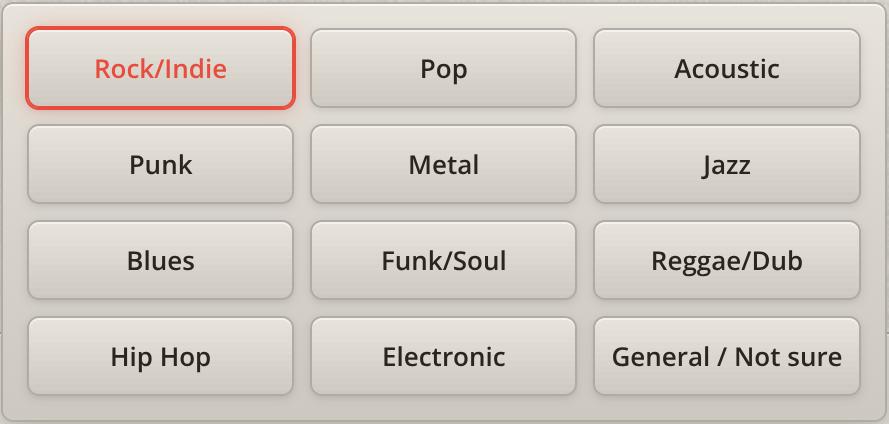
Thirteen genre profiles are currently available: Rock/Indie, Pop, Acoustic, Hip Hop/Grime, Electronic, Reggae/Dub, Orchestral, Metal, Jazz, Blues, Funk/Soul, Punk, and a general-purpose "Other" for everything else.
Pick the right genre and you're already 80% of the way to a good mix.